Organ meats are some of the most nutrient dense foods on the earth. It’s something I’ve known for years, but I’ll admit, not something I’ve always been good at working into meal time.
The thought of eating organ meats used to turn me off.
I didn’t grow up eating them, in fact here in the United States organ meats are unfamiliar and typically misunderstood as waste material.
But in the wild, animals who hunt always eat the organ meats first.
If you find yourself thinking “ick” when you think of eating organ meats lets look at the power of your mind.
Your mind has great power over your tastebuds. So if you think they are gross, your body will follow instructions and have a physical reaction of “I don’t like this, it tastes bad”
But the good news is you can turn that around.
You can train your brain to think they are delicious and tasty, and your body will be craving them.
Read on…
I think after you learn about WHY they are a powerhouse of goods for your body and mind you’re going to be chomping at the bit to get them into your daily diet.
And once you feel the difference your mind will be made up that they NEED to be an essential part of your daily meal plan.
WHY ORGAN MEATS
One of the first things that comes to mind when I think about eating organ meats is that it’s part of eating nose-to-tail.
It’s an ethical and sustainable way to use the entire animal.
It’s a valuable way to honor the animal that gave it’s life for your nourishment.
Traditional diets (which are from cultures untouched by Western civilization) made use of organ meats and reaped the benefits of nutrient density.
Weston A. Price was a dentist that traveled the globe searching for the reason people had overcrowded teeth. He studied indigenous people, remote villages and African tribes all of whom ate lots of organ meats and animal fats and had beautiful teeth.
His conclusion was that when we eat a traditional diet of whole, unprocessed foods as well as organ meats plus fat soluble vitamins from animal sources our teeth are strong, undecayed, and well spaced.
“Beyond straight and beautiful teeth, free from cavities Dr. Weston A. Price discovered that those same isolated tribesmen are characterized by a very strong immune system, preventing them from catching any diseases…” wrote Tomer Pappe in a blog post.
There is wisdom in the old fashioned way of eating nose-to-tail.
WHAT ARE ORGAN MEATS & OFFAL
You may have heard the term offal (yes, pronounced like “awful”) which refers to all the edible parts of an animal beyond the typical muscle meats.
Offal can include cheeks, oxtail, lard, tallow, skin, bones, trotters (pig feet), ears, tail, and more uncommon bits like intestines and blood.
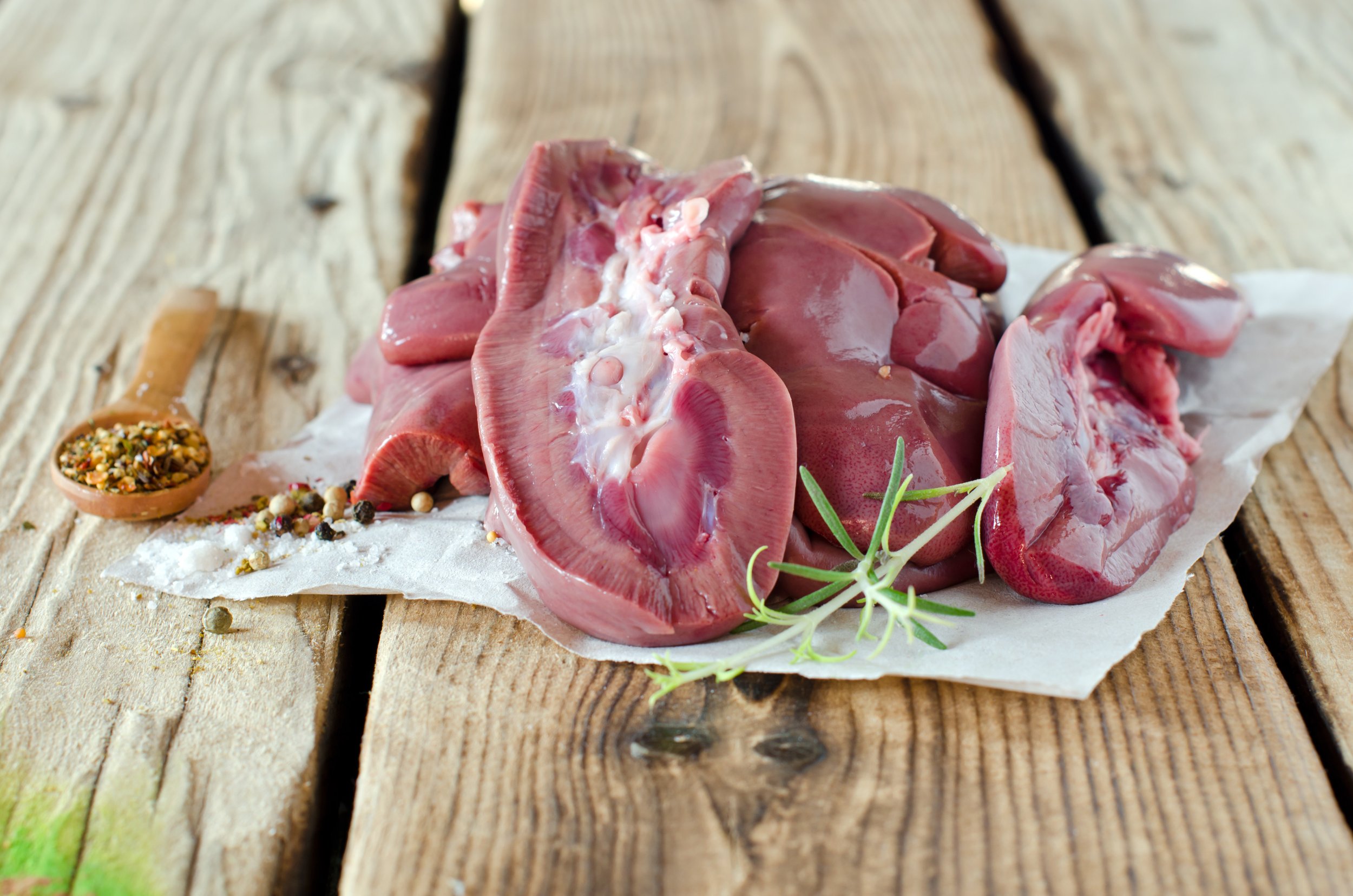
Organ meats include the heart, liver, kidney and brain.
Because the liver and kidney organs are used to filter toxins from the body, I often get the question of whether they are storing toxins as well.
In theory, toxins are broken down in these organs and pushed out into the excretory system through urination, sweat or stool. So no, they don’t contain higher levels of toxins.
When you buy our farm’s organ meats, the toxin load is nearly zero.
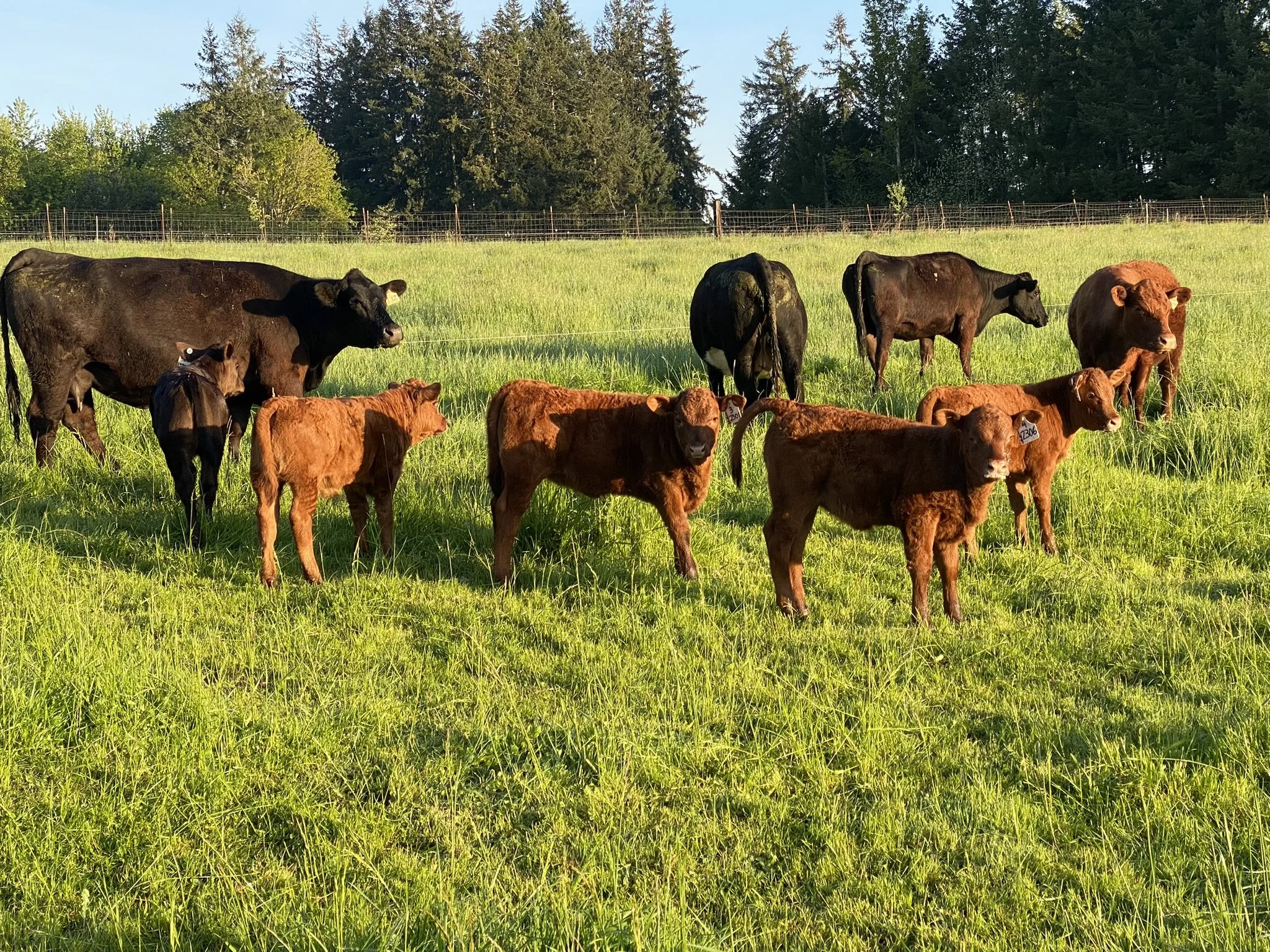
We work extra hard to keep pesticides, herbicides, antibiotics, hormones and chemicals off our farm and away from our animals.
ORGAN MEATS vs. MUSCLE MEAT
If you are curious about the way different organ meats taste, let me explain what you can expect.
Heart
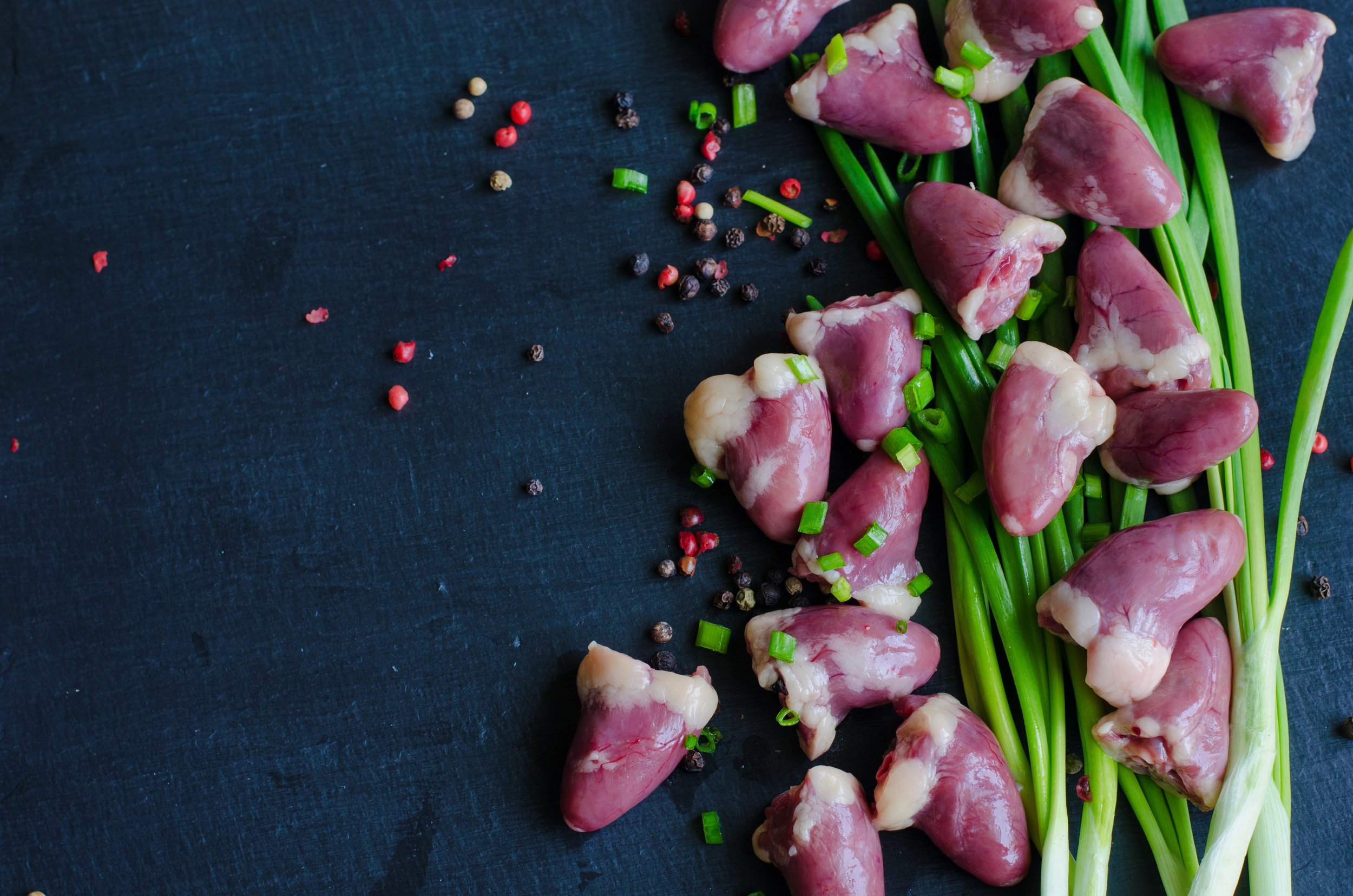
Heart is a lean muscle meat. It has the texture and taste that can be compared to steak or brisket. Most people are pleasantly surprised with it’s taste once they get over it’s unusual appearance. Heart needs to be cooked properly so it’s not tough, I recommend slow cooking, grinding and adding to chilis or slicing thin and making jerky. Where heart really shines is in it’s high levels of CoQ10. It also contains high levels of iron, zinc, selenium and B Vitamins.
Tongue
Tongue is also a muscle meat. It has very high fat content, so it tends to be wonderfully tender cut. It’s nutrition profile shows it’s high in iron, zinc, choline, B vitamins and trace minerals. It’s real claim to fame is it’s agreeable taste. If you can get over the fact that it’s a tongue you may find that you like it better than tenderloin! Tongue is a great starting point if you are just venturing into the land of organ meats because of it’s ease of cooking and it’s delightful taste.
Calvin, my youngest son, loves to ask people if they like beef tongue. One time when he was just a couple years old his dad cooked it for dinner. Calvin was there on a stool in the kitchen and as quickly as dad was slicing, Calvin was gobbling it up. I think he was pretty hungry, but I can tell you it’s toddler approved!
Liver
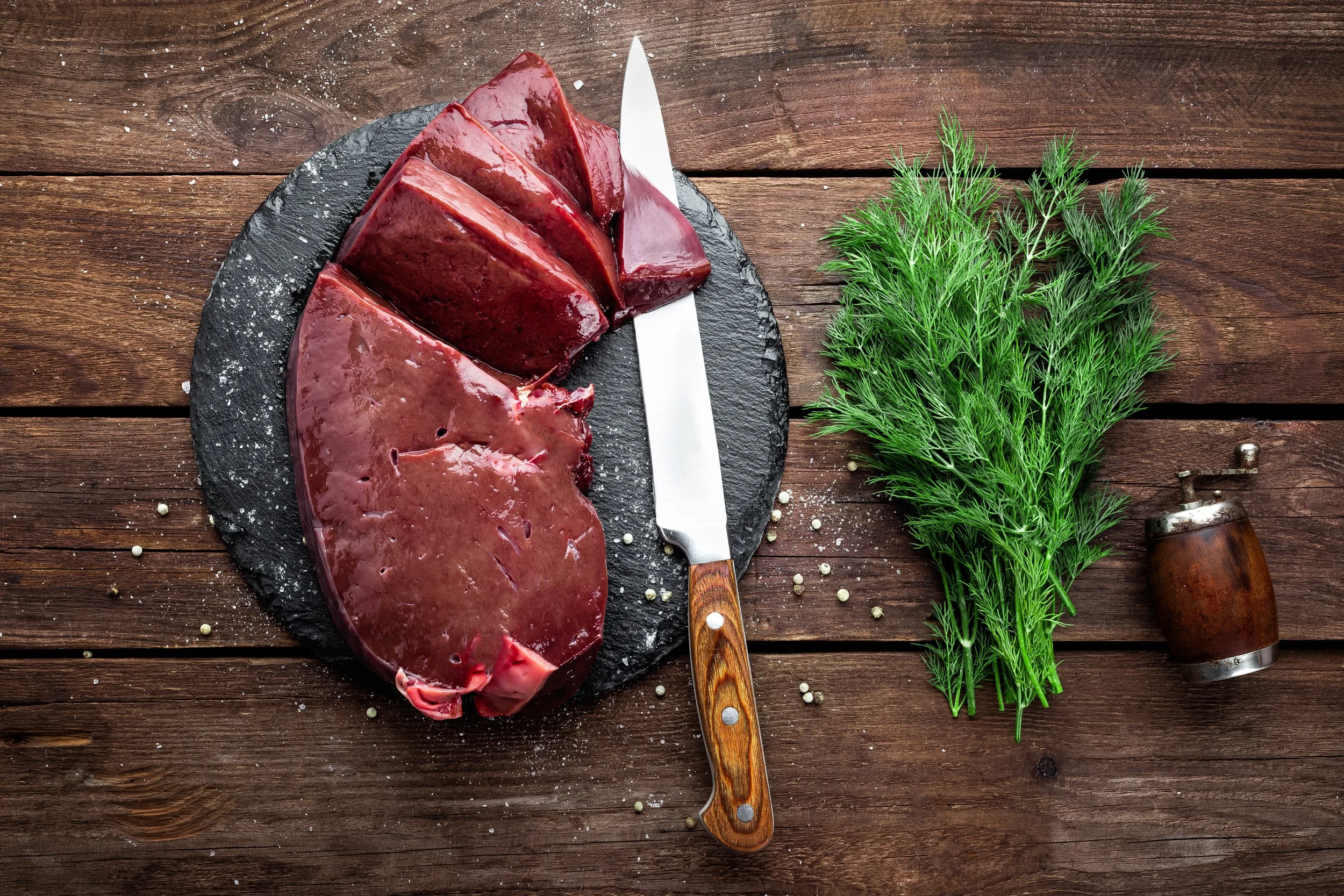
Liver is an organ meat, like kidney and brain. While heart and tongue are an easy introduction to the world of eating organ meats, liver is by far the most important organ meat you should be eating. It’s one of the most nutrient dense foods in existence and contains vitamins and minerals that are hard to find elsewhere.
Folate, copper, B12,Vitamin A and choline are in great abundance within beef liver.
The rich taste can take some getting used to. The texture is not firm like heart and tongue. Some people love the bold taste of liver and don’t find it offensive at all, so give it a try.
You get to decide!
NUTRIENTS IN ORGAN MEATS
Organ meats are rich in many essential nutrients that help support your immune function, brain function, reproductive system and hormone regulation.
· B Vitamins such as B12 and folate in particular. B vitamins give you energy and folate is the building block for growing a healthy baby, if you’re a woman. Folate is the key ingredient in many prenatal vitamins.
· Minerals such as iron, copper and zinc. Very important for keeping a healthy strong immune system.
· Fat soluble vitamins such as A, D, E and K. Vitamin D is a hard to get in the wintertime here in Oregon, and low levels can lead to depression. Vitamin D is also the building block for strong healthy teeth, and starts at conception.
So if you’re a woman and plan to have children, eat your organ meats now!
ORGAN MEATS FOR WEIGHT LOSS
When doing my research this idea that eating more organ meats can help you loose weight or maintain a healthy weight made perfect sense.
Because organ meats are so nutrient dense they satisfy the body’s need for essential nutrients which cuts down on food cravings.
When you give your body the nutrients it needs you feel full longer.
GET STARTED NOW
Here are 3 ways to incorporate nutrient dense liver into your diet NOW.
I chose to start with liver because it truly is the most nutrient dense of all the organ meats.
Here is how you can eat more organ meats without gagging.
You don’t even have to love the taste to glean it’s benefits.
1. Grate frozen liver into your ground meat.
You can use a cheese grater and while the liver is still frozen and raw, grate one tablespoon into your hamburger, meatloaf, taco meat or spaghetti sauce. Then cook your ground beef as usual.
You won’t even know it’s there.
I don’t recognize the flavor at all, so it’s a great way to feed it to your kids or spouse (or even yourself) if you’re not stoked about eating liver.
It’ll be a confidence booster to your organ meat journey!
2. Make a Mousse
If you love to cook and up for trying a new food, give this Liver Mousse recipe a try! You can use any type of liver-beef, lamb, chicken or pork. The taste comes out savory and robust, but very palatable. I love to eat it with chopped veggies or crackers. When eating liver a little bit goes a long ways for nutrient density.
3. Make a Pill
You can do this by dehydrating, grinding and encapsulating liver into empty capsules. It’s a bit of effort, but the result is that you don’t have to fight the taste.
You can also make frozen liver pills by just cutting raw liver into manageable swallowing size chunks, laying them flat on a cookie sheet and freeze them. Once they are frozen individually they keep their shape and I transfer them into a Tupperware I keep in the freezer. After dinner I pop a couple into my mouth and swallow them down with a glass of water, just like a vitamin. Done. Easy.
I hope this inspires you to start eating more organ meats, in particular liver!
I’m working on a recipe book with liver, heart, tongue all the other odd bits, so stay tuned!
In the meantime, share your favorite organ meat recipe in the comments.
Come by our farm store or meet us at the Saturday market in Corvallis to pick up some liver so you can start incorporating it into your diet now.